Slopjong: Geek Blog mit weiblichem Touch
.jpg)
Herzlich Willkommen auf meinem Blog! Ich bin ein weiblicher Nerd, der auf dieser Seite alles über das eigene „aufregende“ Leben postet. Die einen finden mich cool, die andere megalangweilig und wisst ihr was – es ist mir egal. Ich bin 20 Jahre alt, studiere Informatik und ich programmiere in meiner Freizeit gerne. In diesem Blog möchte ich allen zeigen, dass ein Nerd auch ein anderes Leben hat, als vor dem Computer zu sitzen. Natürlich werde ich das eine oder andere Mal über mein Hobby bzw. mein Studium schreiben. Doch es gibt noch viel mehr, das mich ausmacht.
Vorurteile gegenüber Nerds
Schubladen werden schnell geöffnet, wenn es um das Thema „Nerd“ geht. Ich selbst bezeichne mich nicht als Nerd, so werde ich eigentlich nur von meinen Verwandten und von einigen Außenstehenden bezeichnet. Eben deswegen, weil sie nicht wissen, was das Leben noch alles so bereithält. Ich bin nun einmal nicht der 0815 Mädchentyp, der nur Schuhe und Hosen shoppen geht. Um es gleich vorweg zu sagen, ich bin auch nicht lesbisch und ich trage keine kurzen Haare, sondern auch mal im Live Casino Blackjack oder Roulette spielt. Nicht falsch verstehen, es ist absolut ok, wenn jemand so lebt, aber all diese Dinge wurden mir angedichtet und ich sehe nicht ein, warum. Nur weil unsere Gesellschaft ständig andere in Schubladen stecken muss und nicht die individuellen Menschen dahinter sieht. Ich lese auf jeden Fall gerne viele Bücher, schaue gerne Filme, lebe Plastikfrei und Backe und Koche sehr gerne. Außerdem setze ich gerne Wetten auf Sportwetten.
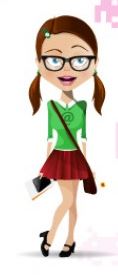
Was heißt es ein Geek zu sein?
Mit den Vorurteilen ist nun endgültig Schluss. Ich zeige dir auf meinem Blog, was es heißt ein Nerd zu sein und du wirst überraschend sein, dass wahrscheinlich auch du vollkommen falsch gedacht hast. Viele Menschen geben nicht viel von sich preis, weil sie es einfach nicht für nötig halten. All jene, die viel plappern und ständig angeben müssen, was sie besitzen, sind für mich keinesfalls bessere Menschen Eher sind sie arm, weil sie mit dem was sie haben, scheinbar nicht glücklich sind.
Ich bin glücklich!!!
Ich bin glücklich, in jeder Faser meines Körpers und das werde ich dir auch auf meinem Blog beweisen. Die ganze Welt soll sehen, wie Nerds leben können und dass diese auch ein Leben außerhalb vom Computerraum haben. Andere Ladys leben schließlich auch außerhalb des Schuhschrankes, oder etwa nicht? Ich zum Beispiel nutze gern das online Poker 2021, um mich mal abzulenken.
Meine neuen Artikel warten auf dich – ich habe dir wieder viele Tipps und Tricks vorbereitet.
Zum Beispiel gibt es direkt von mir geheime Casino Tricks, die du zum Beispiel im Casumo Casino umsetzen kannst. Auch erkläre ich dir, was es mit Glücksspiel in Deutschland auf sich hat und ich gebe dir Tipps zum Thema Echtgeld vs. Spielgeld. Erfahrt außerdem wichtige Informationen zum Thema verbotene Wetten.
Viel Spaß beim Lesen meines Blogs, der euch hoffentlich inspiriert, auch zu sein, wie ihr seid.
